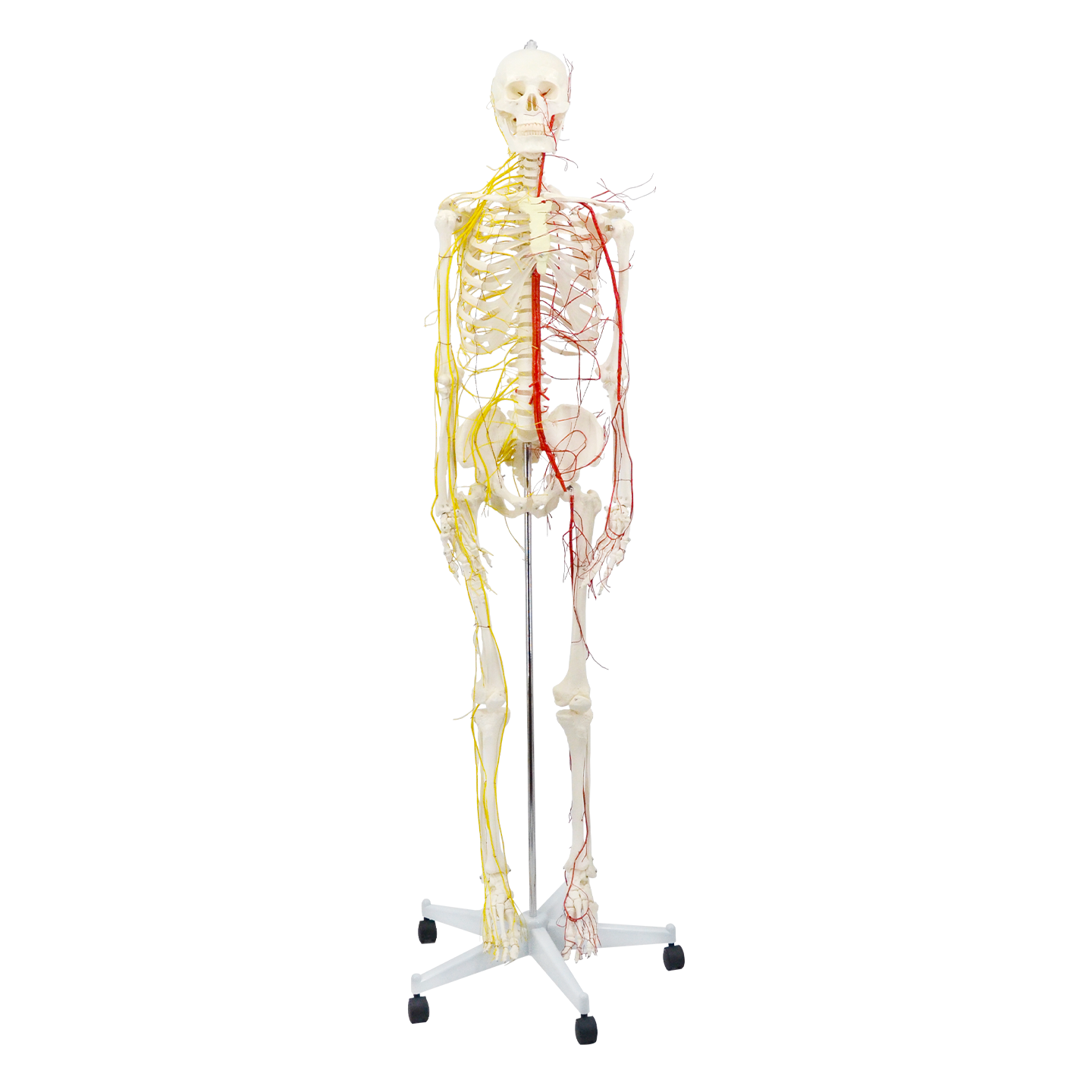

170CM神经血管骨骼
你是否曾为选一款真正专业的骨骼模型而头疼?市面上的产品要么骨骼粗糙,要么神经血管标注模糊,买回来根本没法用于教学或临床。实测多款后发现,一个容易被忽略的细节——手工穿制工艺——直接决定了模型的使用寿命和展示效果。这具170CM的神经血管骨骼模型,头盖、头颅、下颌、手臂、腿均可分离,细节精密到能清晰辨认每一条神经走向。但最关键的,是它解决了一个让很多机构纠结的问题:如何在保证专业度的同时,避免花冤枉钱买回一个“摆设”?#医学教育#解剖模型
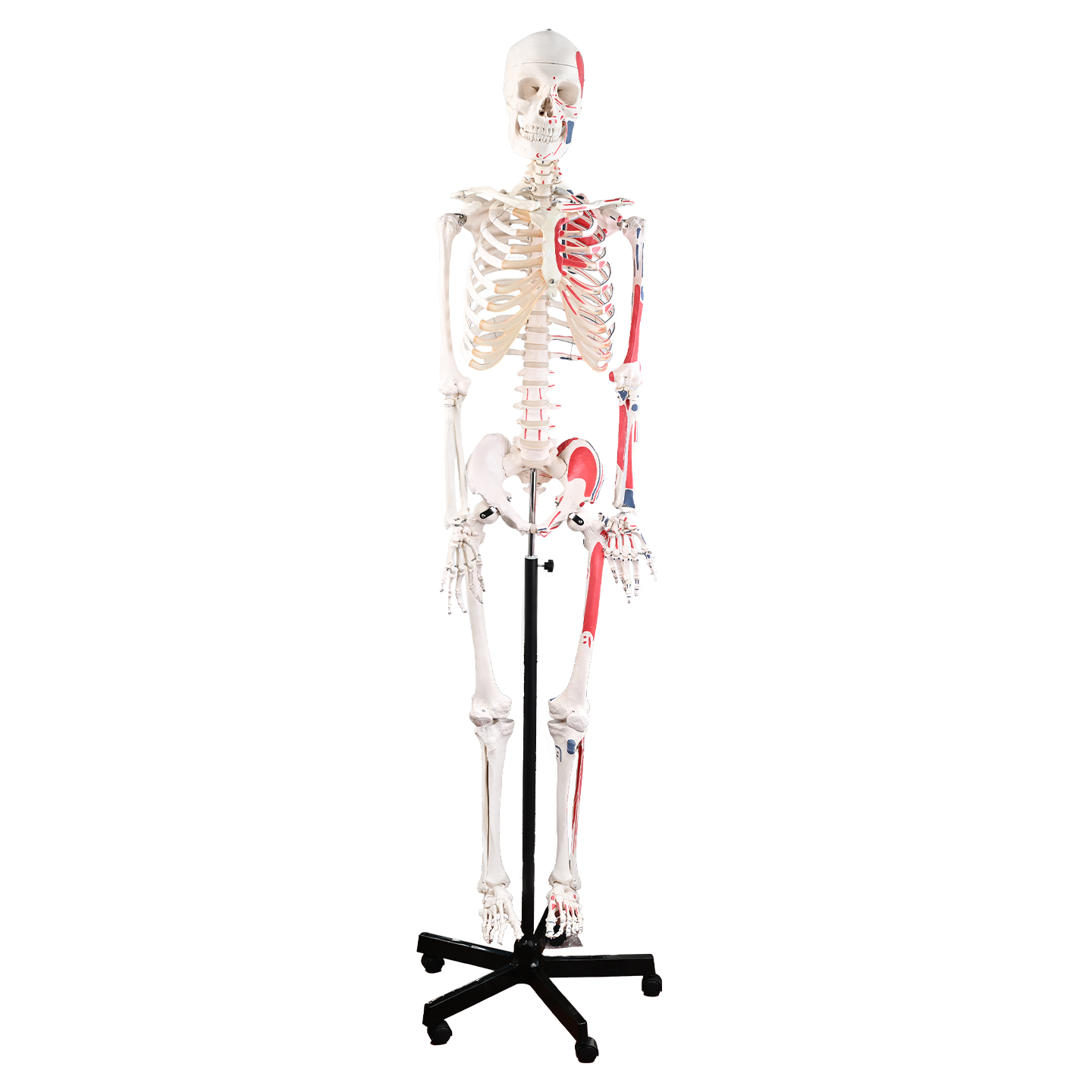
175 cm skeleton with muscle attachments and origins on one side
学解剖时对着平面图谱死记硬背,结果考试时还是分不清肌肉起止点?我们扒了市面上十几款解剖模型,发现大多数都是“全肌肉”或“全骨骼”,根本没法直观对比肌肉和骨骼的附着关系。这具175CM骨骼带半边肌肉的模型,恰好解决了这个痛点——一侧红色肌肉,一侧裸露骨骼,胸大肌、腹直肌、肱二头肌、股四头肌的起止点一目了然。医学生备考、绘画人 体结构、健身教练讲解动作,这个模型可能比你的教材图谱管用得多。你确定还要继续对着二维图片硬啃吗?
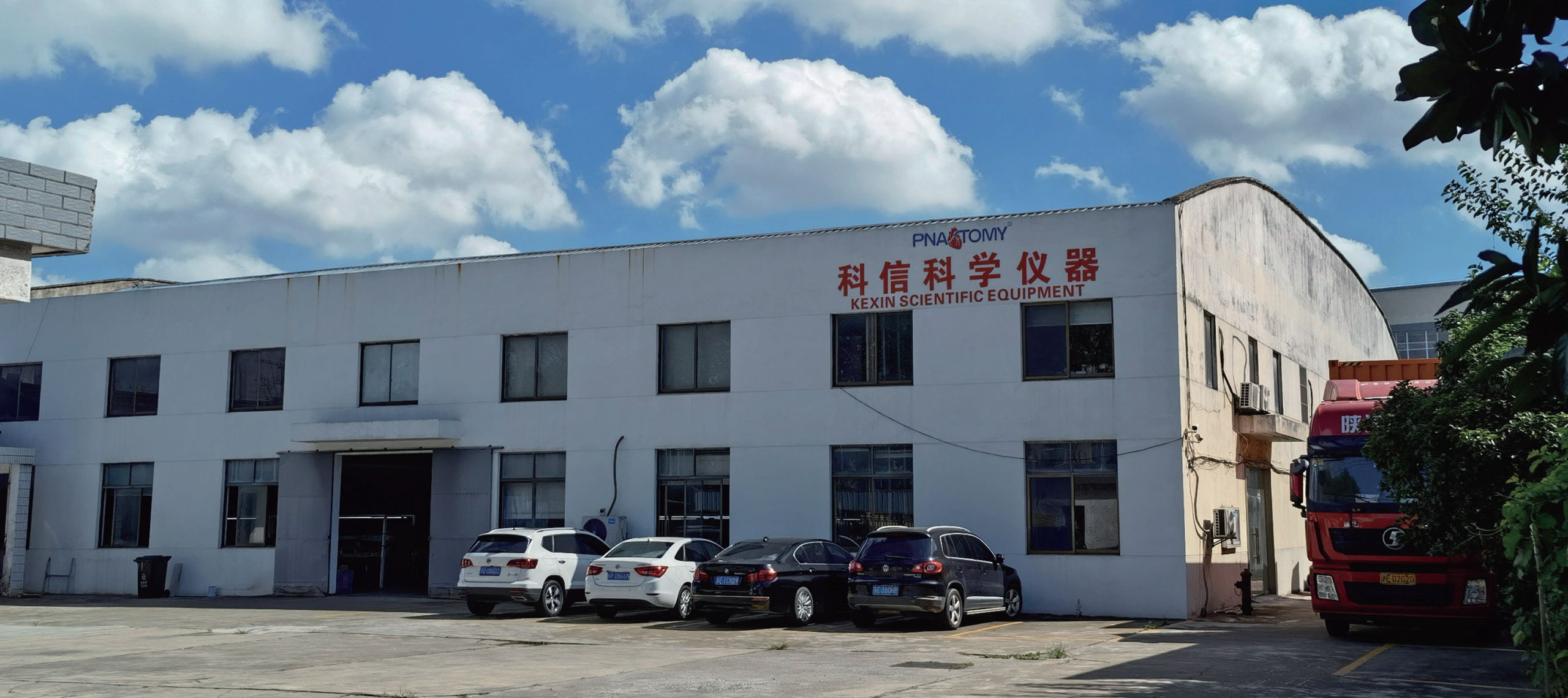
Technology empowers, quality upgrades | Kexin Science iterates new educational tools, solidifying core competitiveness in science education equipment
当你还在为教具易损坏、细节失真导致学生难以直观理解而头疼时,科信科学却悄悄完成了一次关键迭代。大多数人只关注价格,却忽略了“纯手工绘制”与“先进模型装备”结合后带来的还原度质变。这次新品不仅覆盖了人体解剖到护理学等多学科,更藏着一个让实训效率翻倍的设计细节。当同行还在拼低价,他们如何用工艺升级筑牢核心竞争力?这套新方案是否真能解决你课堂上的那些“讲不清、看不明”的痛点?
-
Craftsmanship forging educational tools, innovation embarking on a new journey | Kexin Science continues to deeply cultivate science and education equipment, empowering global teaching practices
Do you think buying teaching aids is just about comparing prices? When cheap plastic models frequently fail in the classroom, you'll understand how much “durability” costs. Why can Kexin Science be exported overseas? The secret isn't in mass production, but in its counter-trend “purely hand-drawn” craftsmanship. It's precisely this seemingly time-consuming process that solves the pain points of large colour differences and low fidelity in medical teaching models, making anatomical structures so precise that even experienced physicians can't fault them. What kind of quality control logic is hidden behind this “clumsy effort”?
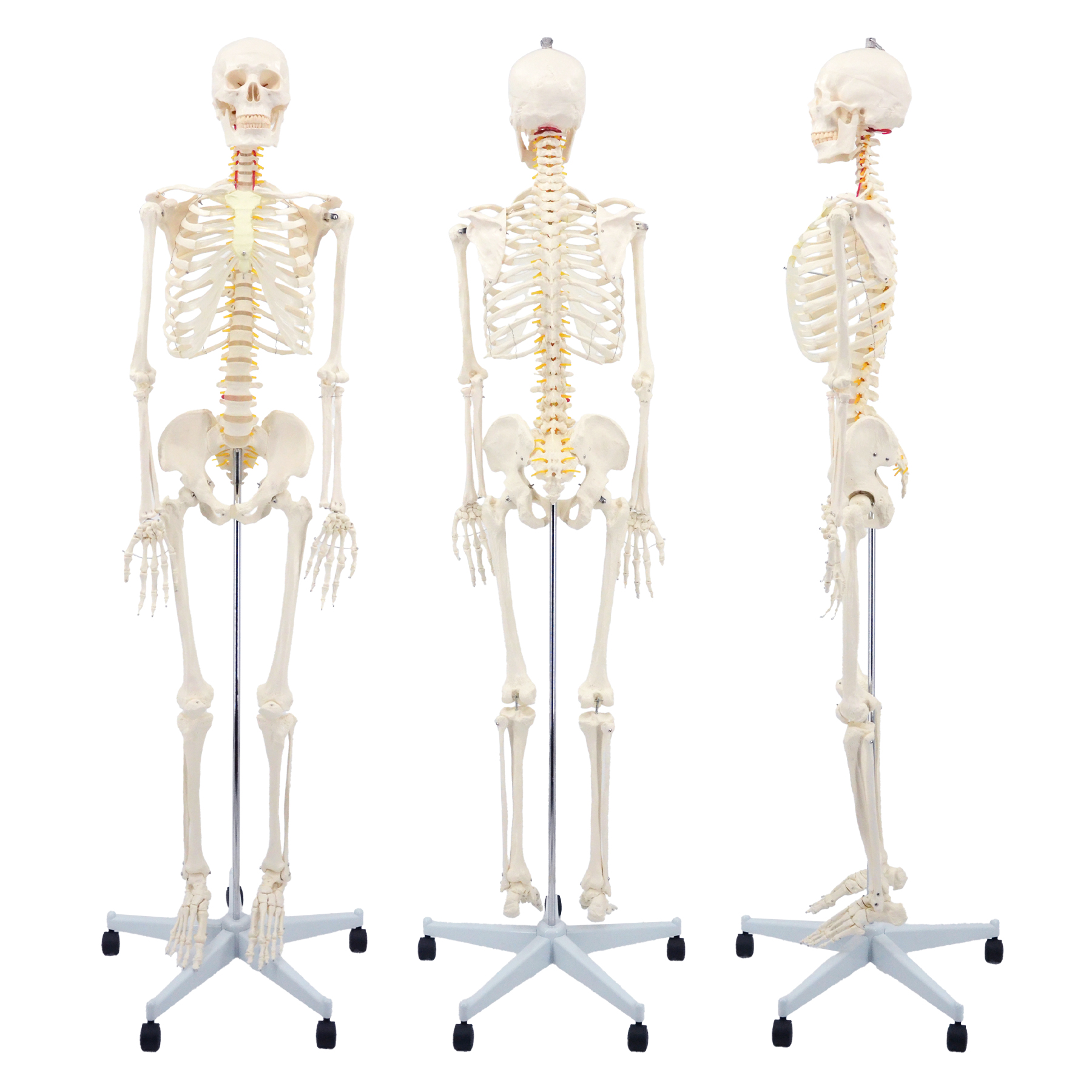
175CM human skeleton with nerve roots
你在找一套既能上讲台示范又能在实验室细致解剖的教学模型,但常见的人体骨架要么太大难搬运,要么细节如神经根标注模糊不清。我们看过市面上上百款模型,真正能同时满足“可移动、比例标准、神经根明确”的寥寥无几。文章里这款175cm带神经根的骨骼模型,从正背侧三视图呈现,脊柱与神经根标识清晰,且配有带轮支架,适合课堂示范与学生近距离观察。但这里有一个关键细节几乎没人注意——它的神经根标注方式会直接影响教学的准确性,你知道那种看似更“直观”的标注可能反而误导学生吗?
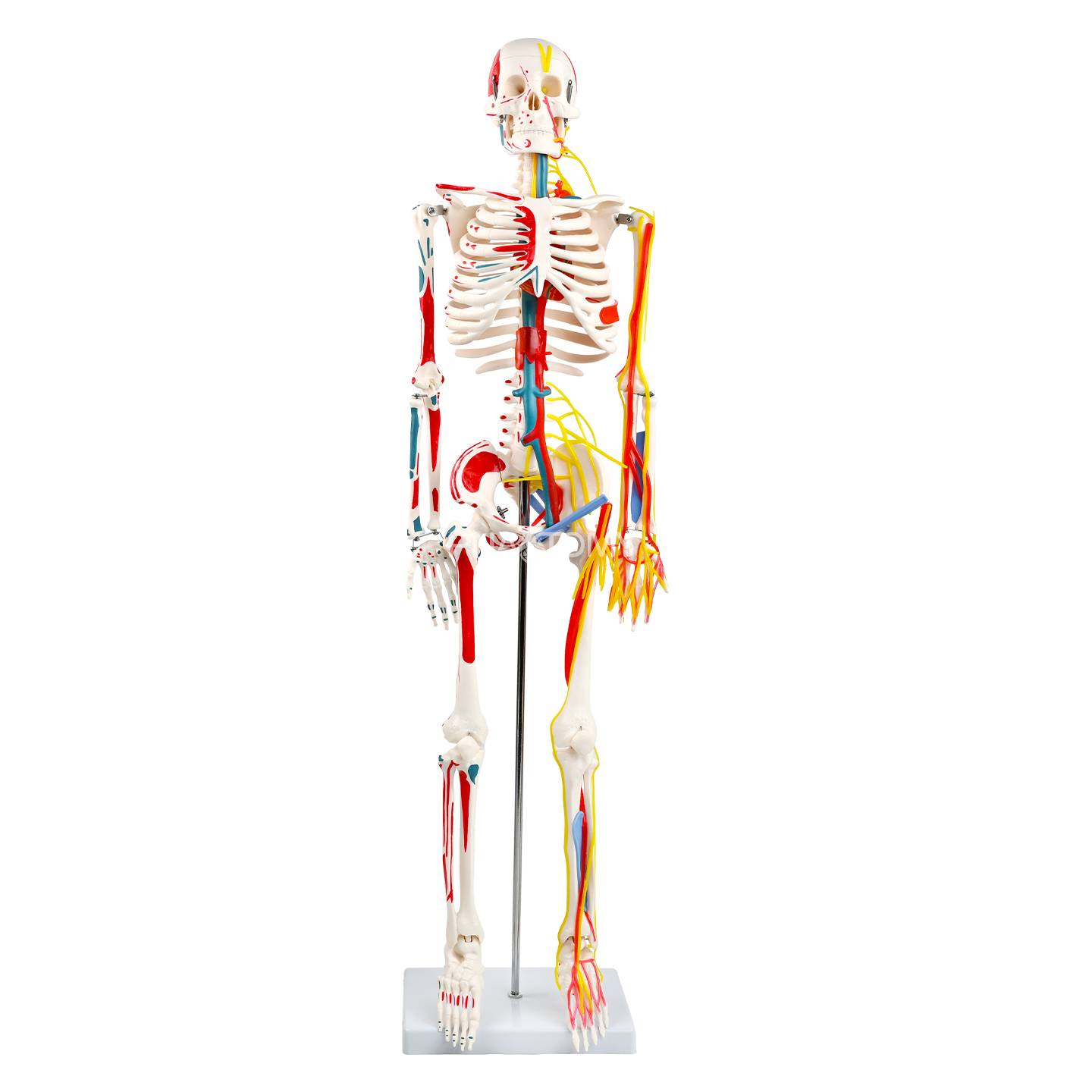
85cm neurovascular skeleton (half coloured)
面对复杂的解剖图谱,你是否还在死记硬背那些枯燥的神经血管走向,导致临床实操时依然一头雾水?大多数教学模型要么只有骨架缺乏细节,要么全彩标注反而让视觉重点模糊。这款85CM半边写色模型却反其道而行:右侧用红蓝黄三色精准还原血管神经在骨骼上的真实路径,左侧则保留纯净骨架作为参照。这种“半透明”的对比设计,如何让你瞬间看透深层结构的三维空间关系?那个被传统教材忽略的视觉逻辑,或许正是你突破教学瓶颈的关键。