-
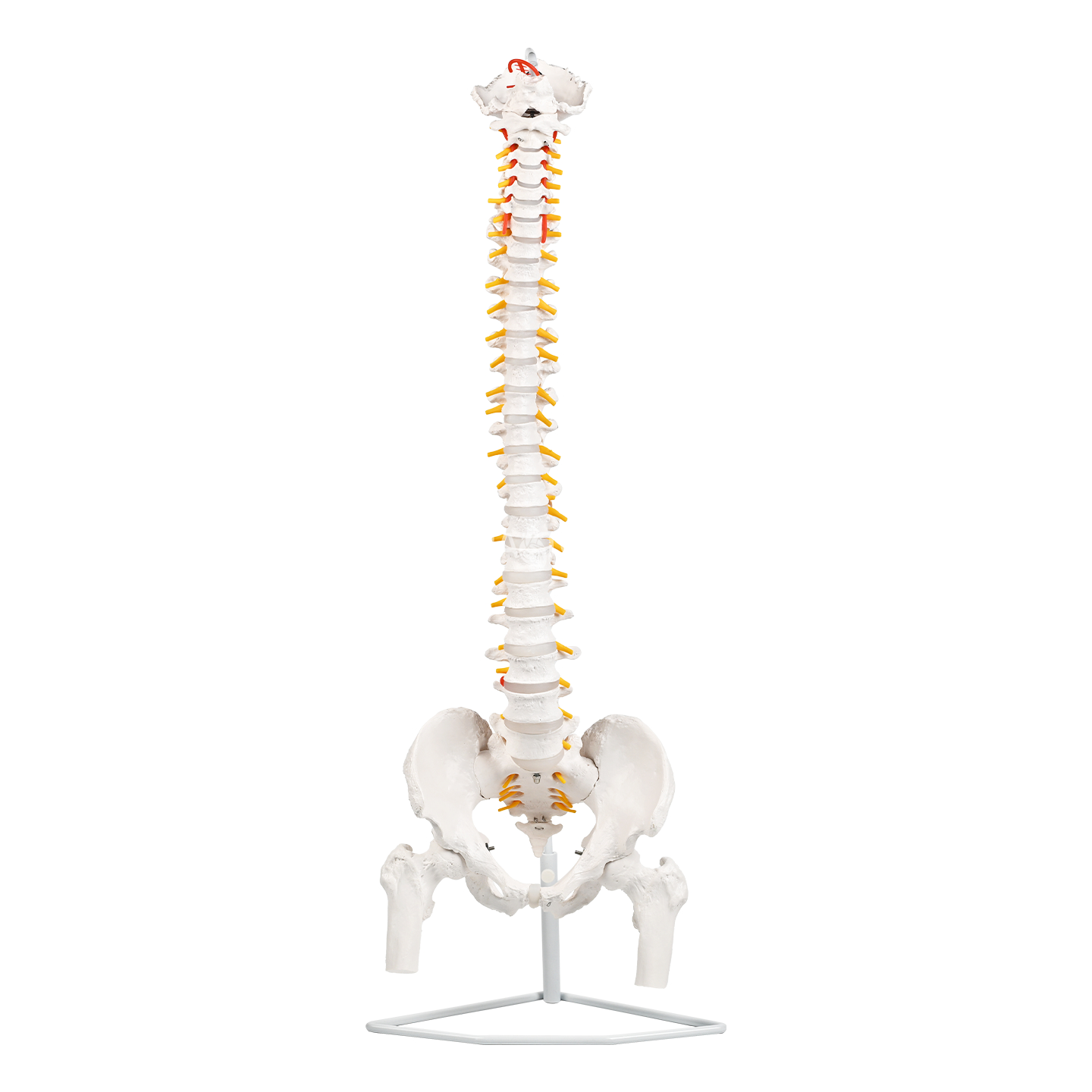
85CM bends the vertebrate pelvis.
You're going to show your students the vertebrae and the pillow, and you're going to find that the model is not a whole piece, it's a pedagogy that looks real but can't move or lose. Most buy models that look only at appearances and prices, and ignore key mobility and autopsy details.——As a result, the classroom presentation turned into a graphic presentation of the main points of the autopsy. We actually found that the 85cm vertebrate model not only contained the vertebrae, pillow, spinal cord and upper half of the femur, but also had a vertebrae and vertebrae penetrating structure that allowed students to actually see the link, but that its flexibility and durability were broken in that ring, which determined whether you saved or had to change the model.——Do you want to know which one is the easiest to "leave"?
-
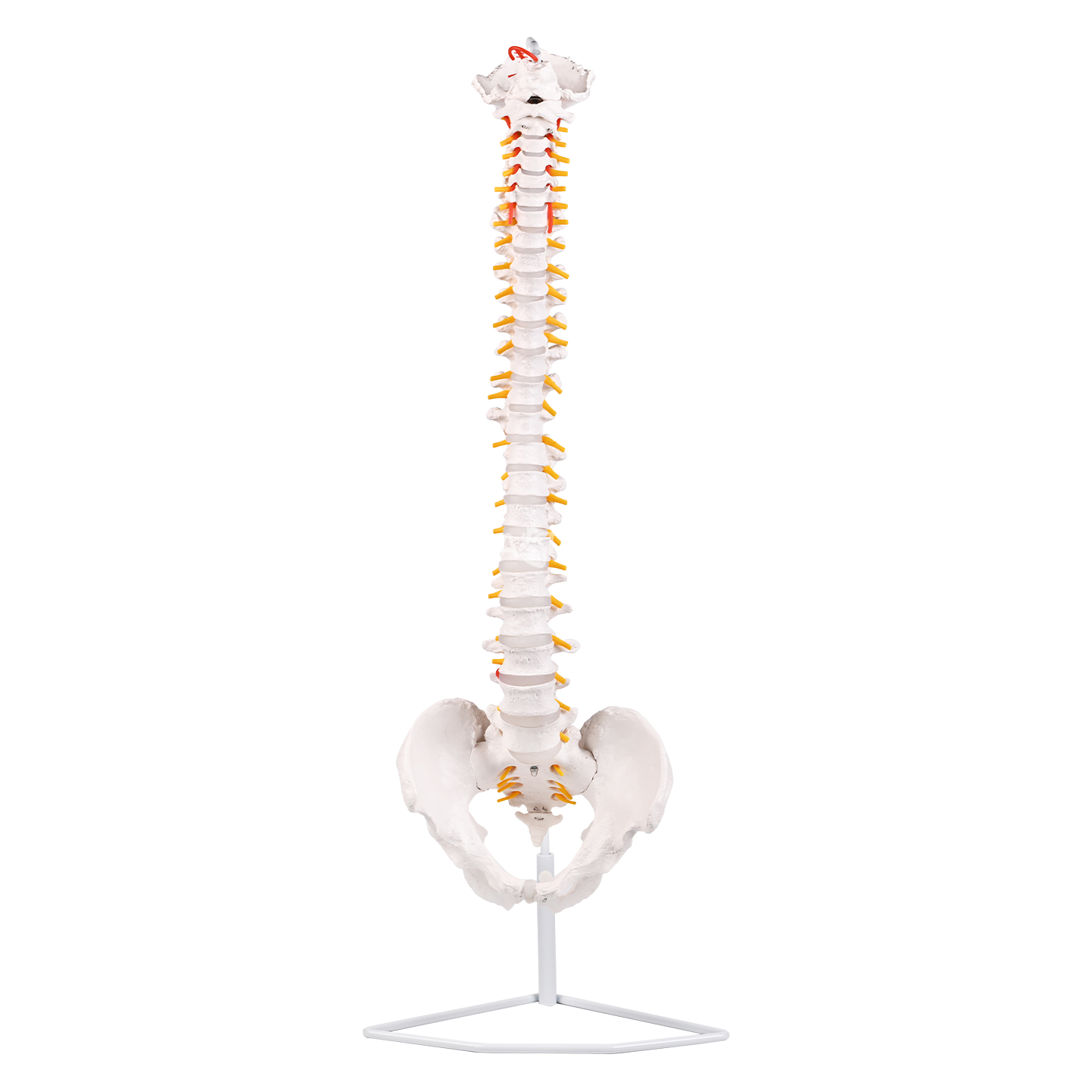
85CM colour bent vertebrate pelvis (section A)
Did you always think there was something missing from the vertebrae and vertebrae? Ordinary plastic spines are either too rigid to show the true activity of the cervical vertebrae; or they lack pelvis structures to present the integrity of the mid-axis in the human body. We evaluated a dozen teaching models and found that the key advantage of the 85CM curvable vertebrate model was that it made an integrated whole system of vertebrates, pillows, spinal cords, vertebrates and spinal nerves and that the pelvis part was intact. This means that you can really simulate all the bends from the neck to the waist, and the nerves are clearly visible.
-
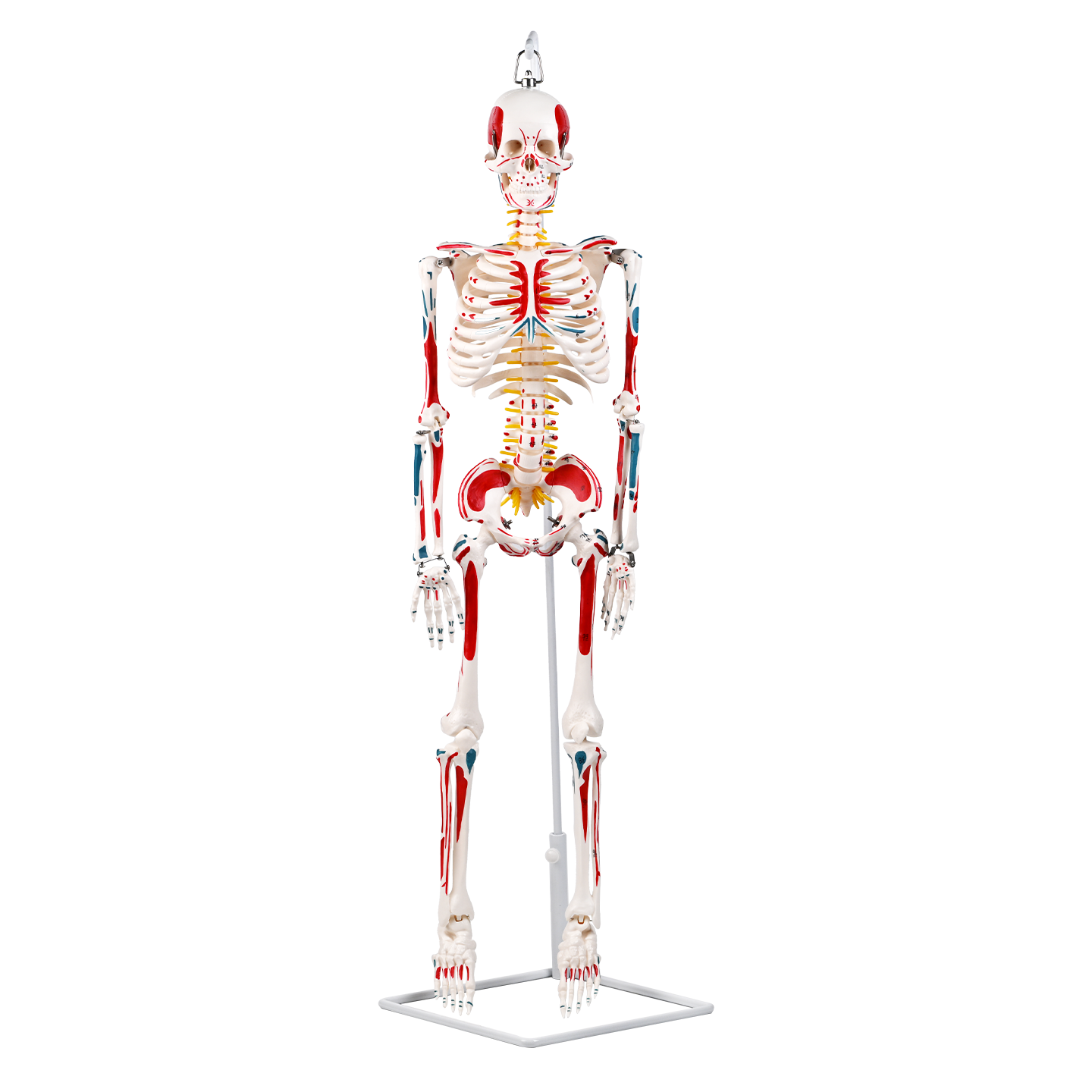
85CM neurovascular bones (half-side color)
In the face of this 85CM neurovascular skeletal model in front of you, do you think it's just an anatomy? The finely written design of that side is actually the easiest "cognitive trap" for medical entrants. Most people stare at the bone structure with hard backs and ignore the colored vascular neuropaths.——And this is exactly the invisible map of life and death in clinical surgery. When you can tell the logic behind this half-colour, you don't have to worry about the boring black and white picture, but if you don't understand the design, the expensive model is just a pile of resin. What kind of anatomical secret is implied by the color of this half?
-
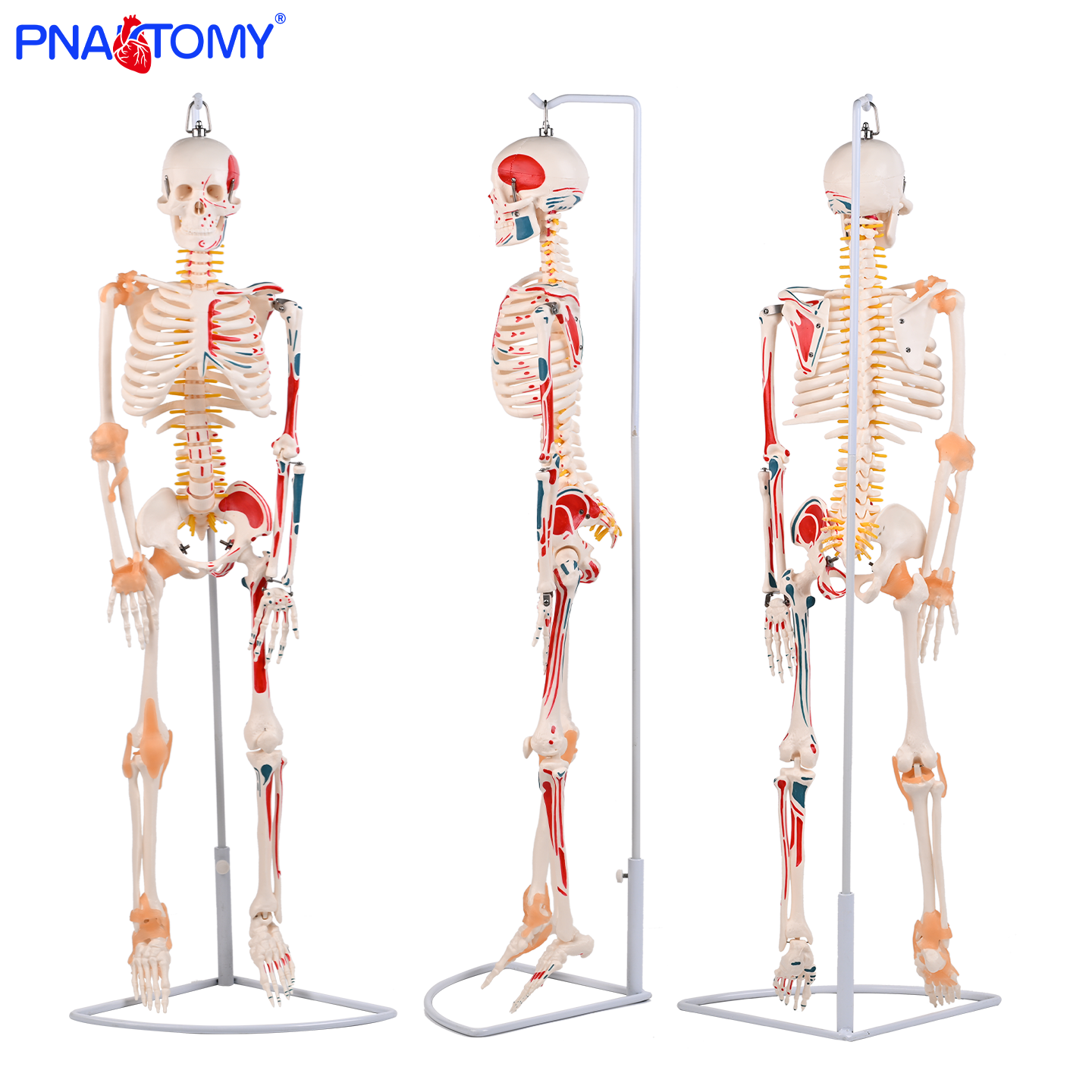
85CM hung semi-bone muscles, half-bone ligament bone.
You stare at the normal bone model on the wall, do you always find it hard to remember the dry muscles as if they were books? This 85CM-mounted model solves the pain in a very violent way.——It just splits the body: half shows muscle stop points, half bare bones and ligaments. Such a strong visual comparison is an instantaneous blow to the space logic that the plane map cannot convey. When you're still working on the hard copy book, those who know how to do it are already using this wallchart to get to know the toughest stereoidization. Is it a medical student's walker or is it just a scary decoration? After this set of details, you have your own answers.
-
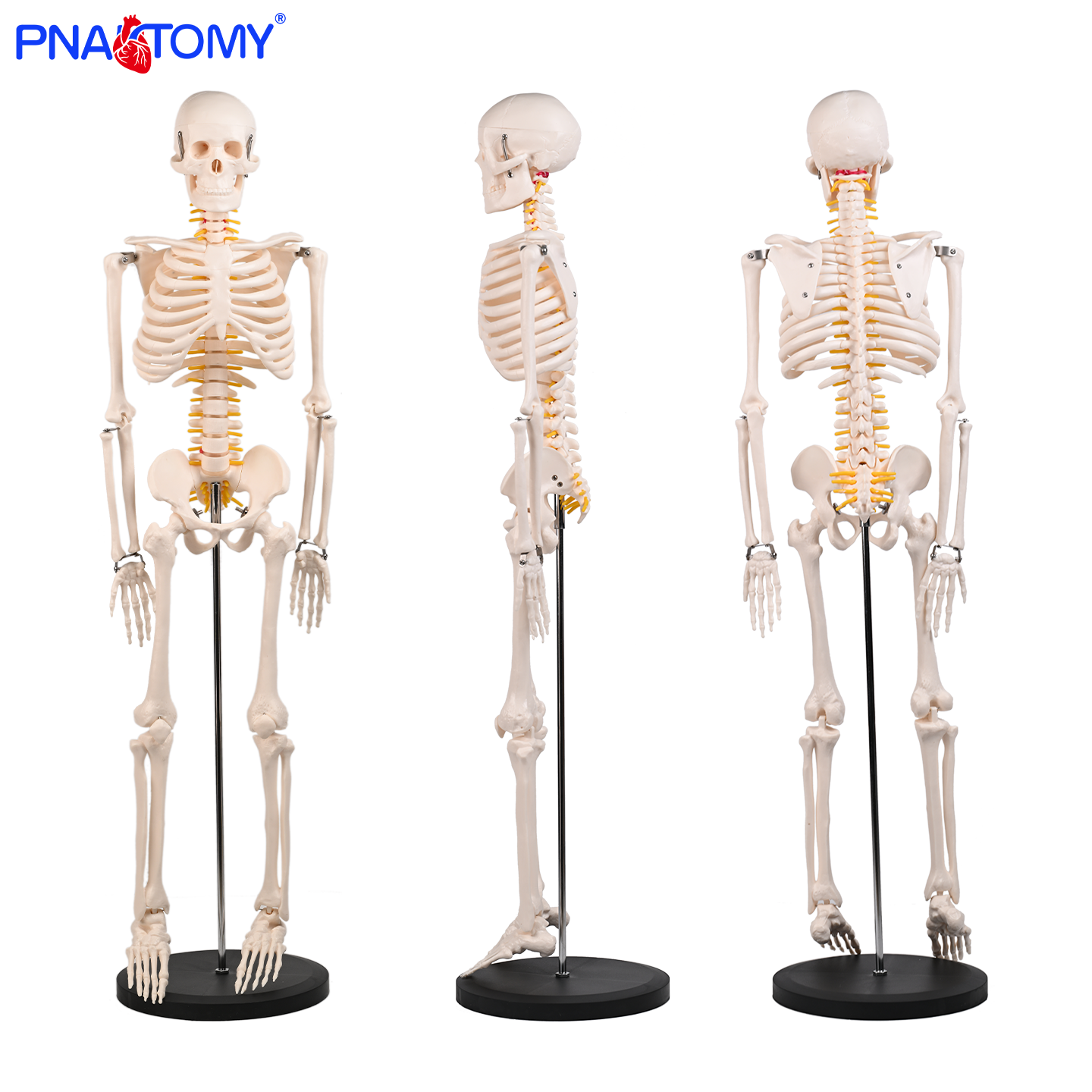
85CM skeletal nerve.
You think it's just an ordinary skeletal tool? When you see the blue neural threads on its body, you realize that this is not just a bone, but a sophisticated human navigation system. Most models only make you remember the hard back bone, but ignore the real source of pain and perception. This 85CM model shows the invisible neuropaths naked in front of you, so you can see at once why some of the pains are pulling around. If you're having a headache for anatomy, or if you want to understand the bottom logic of your body, this neglected detail may be the key to your leadership.
-
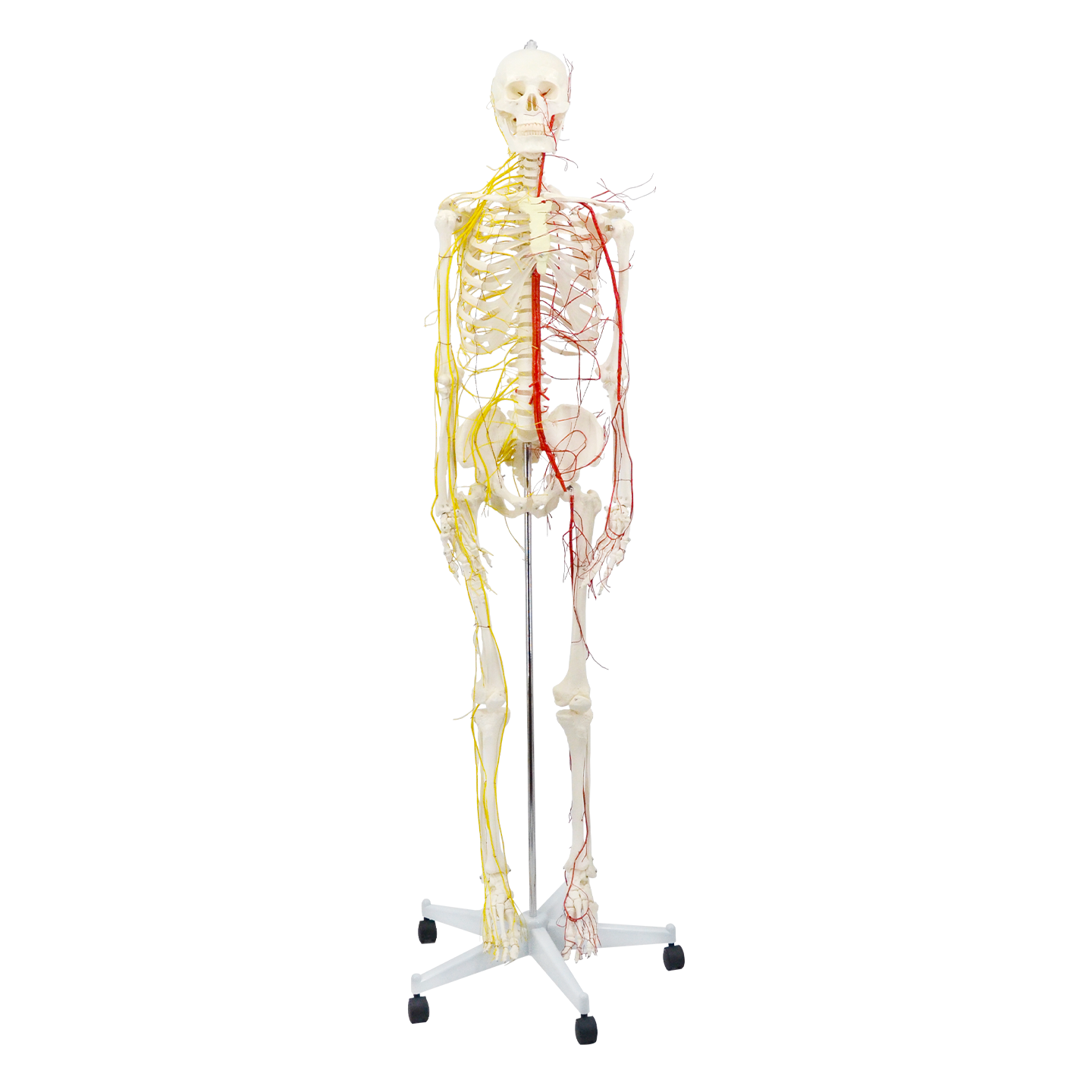
170CM neurovascular bones
Have you ever had a headache for choosing a real professional bone model? The products on the market are either rough bones or vague neurovascular markings, which are not available for teaching or clinical use. After measuring multiple amounts, it turns out that there's an easy-to-neglect detail.——Artisanal wear——The life of the model and its performance are directly determined. The neurological skeletal model of 170CM can be separated from the head, skull, jaw, arm and leg, so that the details are so precise as to clearly identify each neurological course. But most of all, it solves a problem that has entangled many institutions: How do you avoid paying for a setup while ensuring professionalism? Medical Education Anatomy Model
-
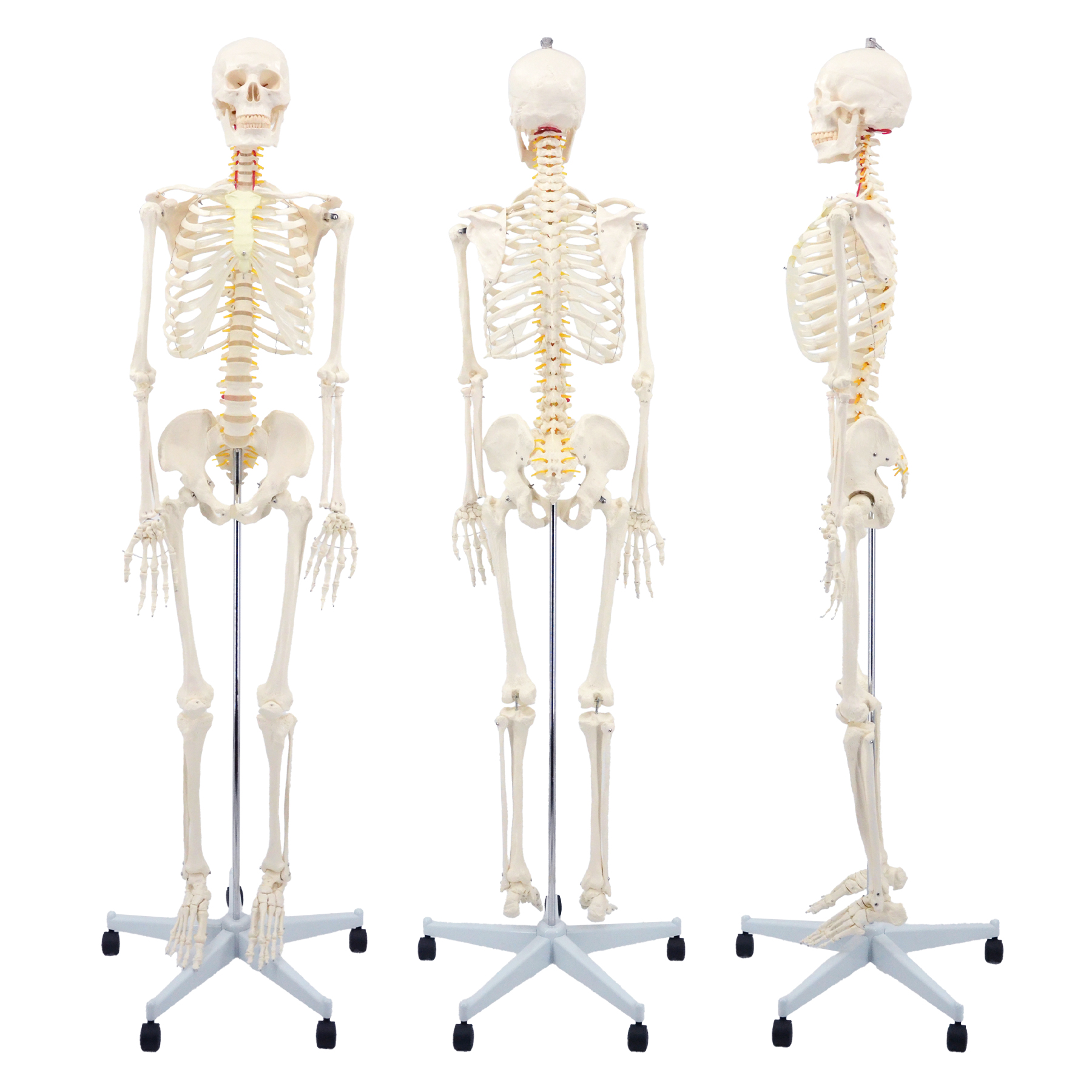
175CM human skeletal neurological root
You're looking for a teaching model that can be demonstrated from the podium and can be deciphered in a laboratory, but common human skeletons are either too difficult to move or the details are vaguely identified as nerve roots. We've seen hundreds of models on the market, and there's very few that really meet the "mobility, scale, neural roots." In the article, the skeletal model of 175 cm with a nerve root is presented from a three-view of the back, with a clear indication of the spinal and nerve root, with a wheeled stubble, suitable for the classroom to demonstrate close observation with students. But there's one key detail here that's hardly noticed.——Its neuro-root markings can have a direct impact on the accuracy of teaching. Do you know that a label that looks more "intuitive" may have led to a misleading behaviour?
-
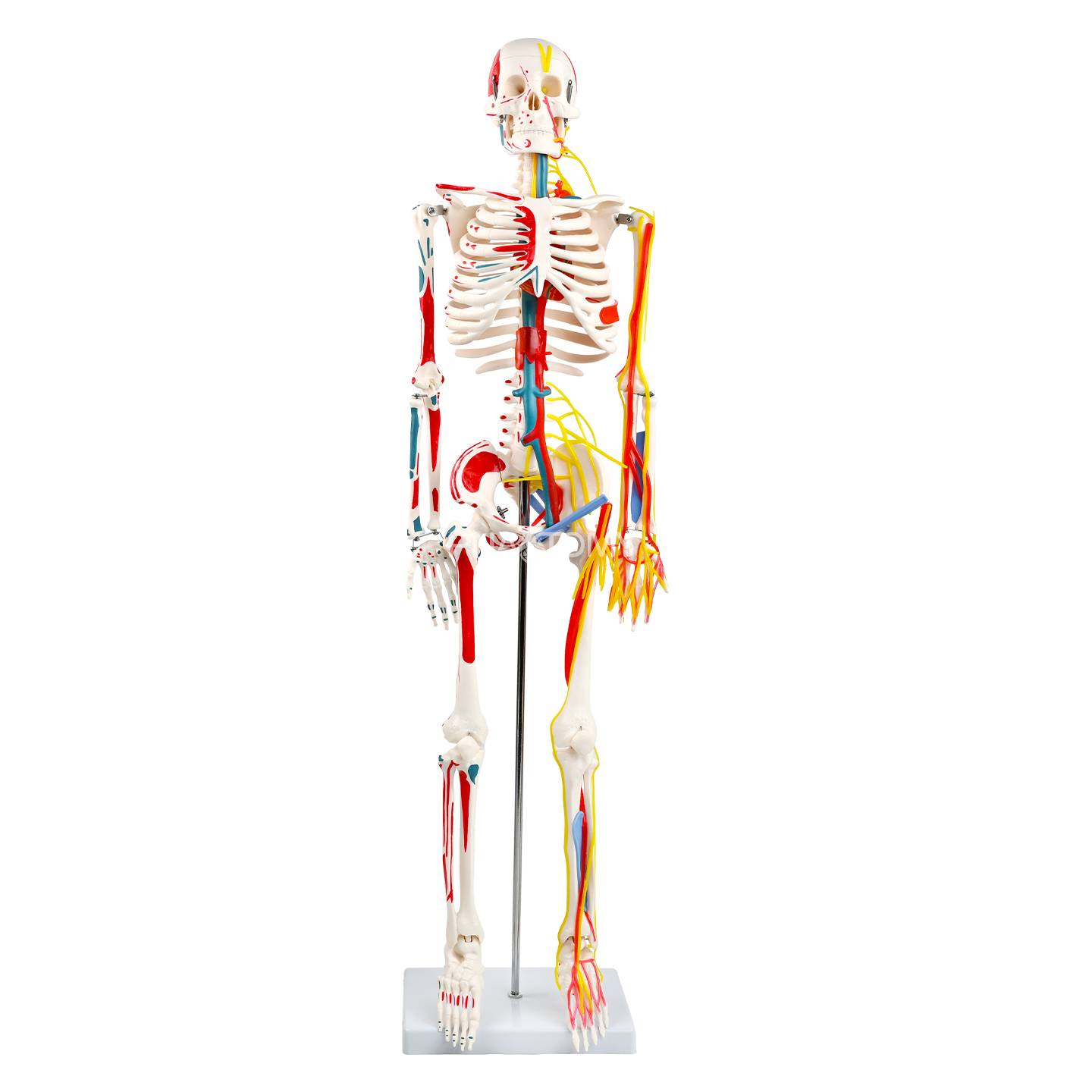
85CM neurovascular bones (half-side color)
In the face of complex anatomy patterns, do you still have a fog in the back of those boring neurovascular movements that lead to clinical exercise? Most of the teaching models either lack the details of the skeletons, or are coloured to obscure the visual focus. This 85CM semi-clan model moves in the opposite direction: on the right side, the red, blue and yellow three-colour accurate reduction of the true vascular nerve path on the bones, while on the left, the pure skeleton is retained as a reference. How does this "semi-transparent" comparative design give you an instant insight into the three-dimensional spatial relationship of deep structures? The visual logic that has been ignored by traditional teaching materials may be the key to breaking the teaching bottlenecks.