-
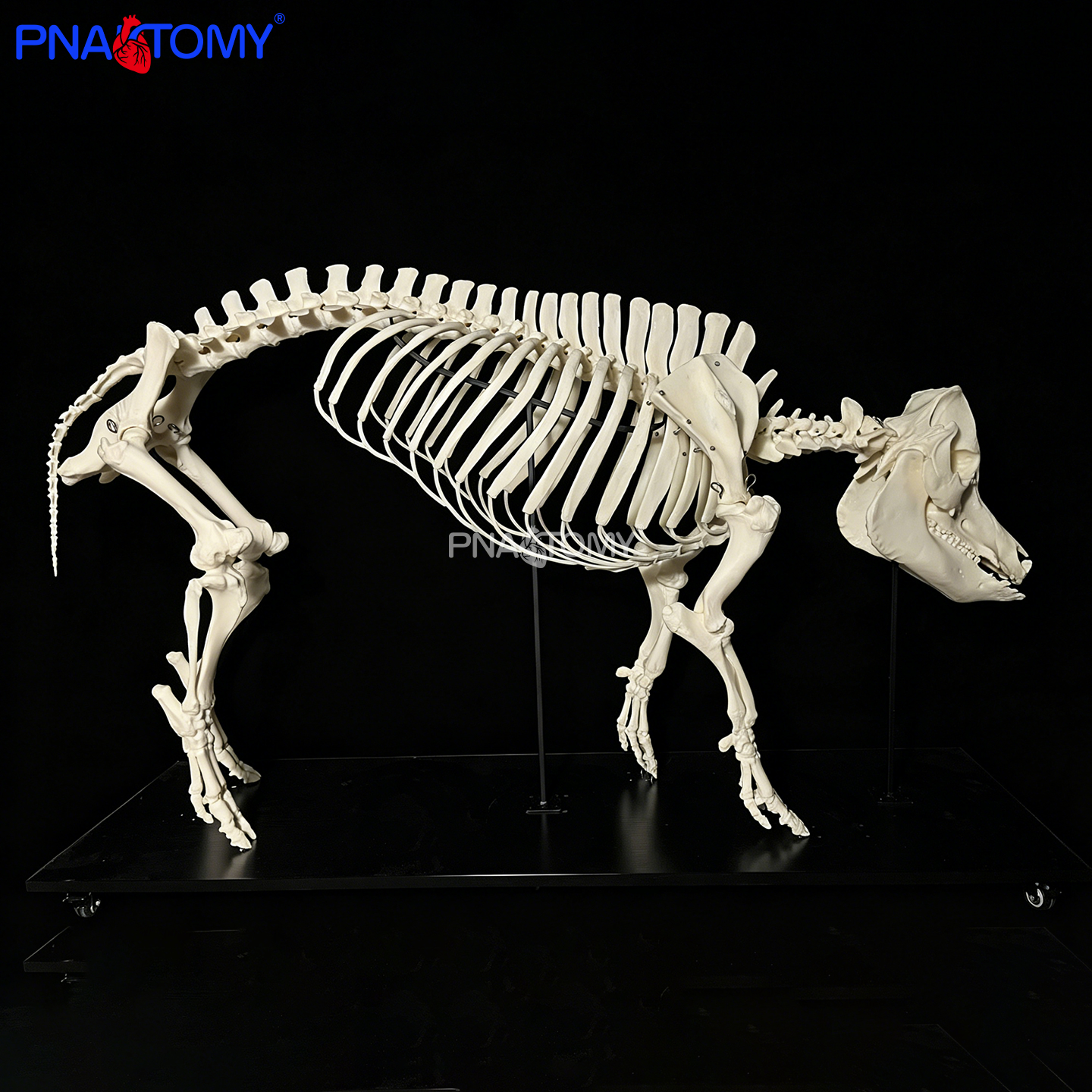
Pig skeleton.
Model: PNT – WSC07M – R
Dimension: 160*40*95 cm
Materials: resin -
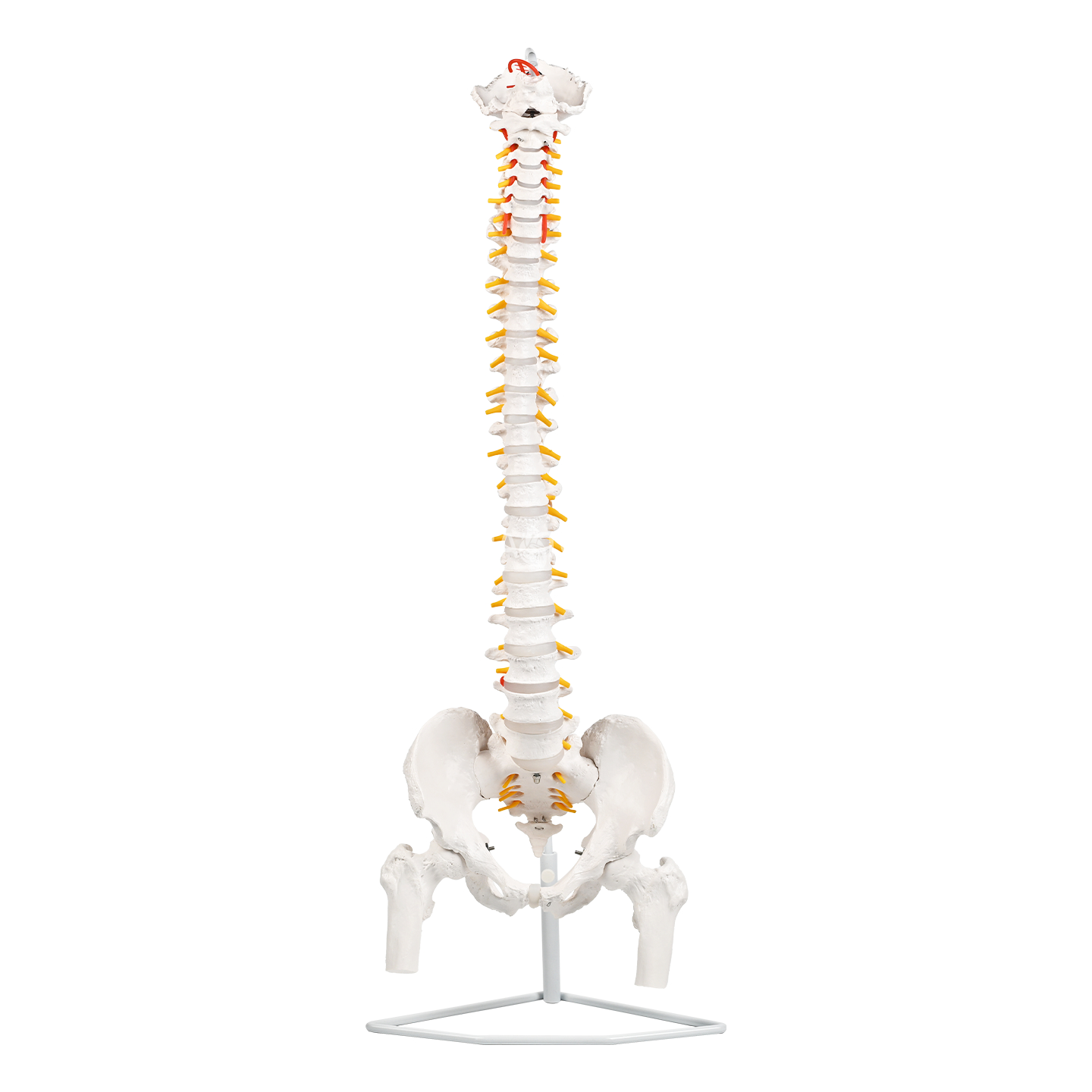
85CM bends the vertebrate pelvis.
You're going to show your students the vertebrae and the pillow, and you're going to find that the model is not a whole piece, it's a pedagogy that looks real but can't move or lose. Most buy models that look only at appearances and prices, and ignore key mobility and autopsy details.——As a result, the classroom presentation turned into a graphic presentation of the main points of the autopsy. We actually found that the 85cm vertebrate model not only contained the vertebrae, pillow, spinal cord and upper half of the femur, but also had a vertebrae and vertebrae penetrating structure that allowed students to actually see the link, but that its flexibility and durability were broken in that ring, which determined whether you saved or had to change the model.——Do you want to know which one is the easiest to "leave"?
-
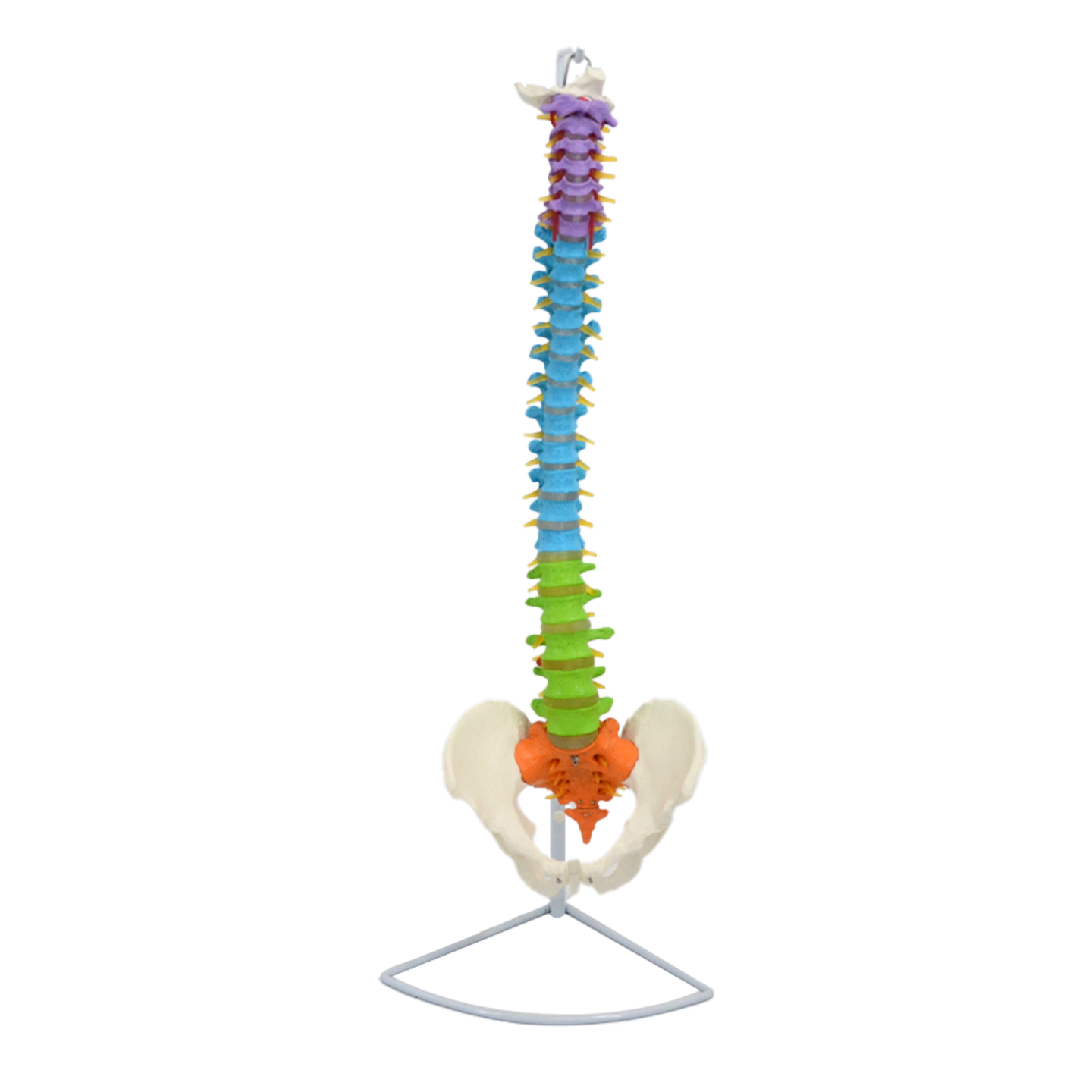
85CM curvature vertebrate pelvis skeletal bone
Have you ever experienced a situation where traditional skeleton models are either too hard to bend, or too small to see the details, and to show students the true structure of the spine is always too weak? The natural large-curvable vertebrae model of 85CM clearly distinguishes the vertebrae, thorax, vertebrae, vertebrae and tailbone in different colours, each of which is visible. But what really excites the ingenuity is a design detail that can easily be ignored.——This detail directly determines its usefulness in anatomy teaching.
-
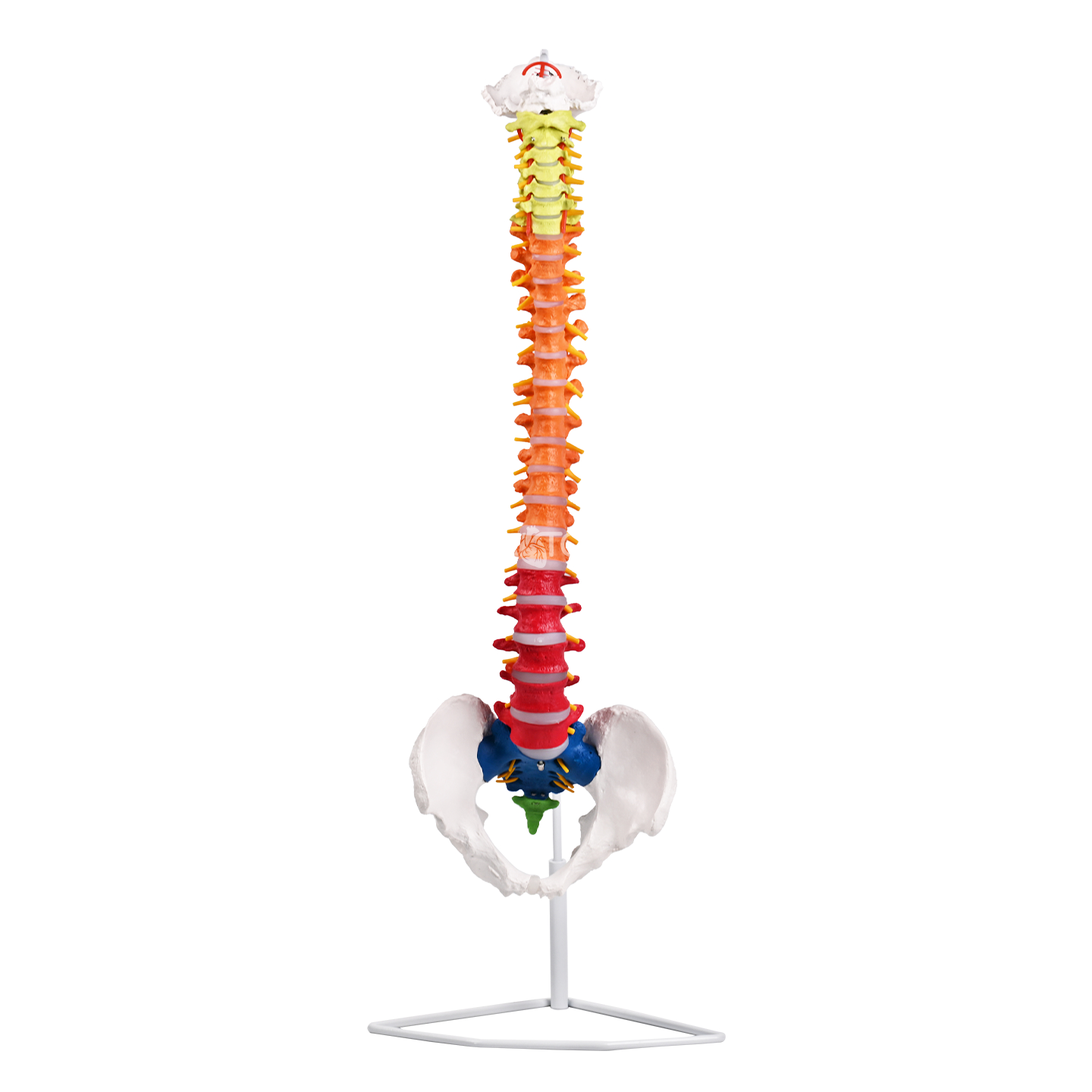
85CM coloured to bend vertebrate pelvis (section B)
You've been staring at two dimensions in anatomy, but you can't tell the links between the neck, the chest, the vertebrae, and you're often stuck with " which bone should be painted." Most of the models in the market are either rigid or pelvis-deficient, and their senses and structures are not real. 85CM colour can bend the vertebrate pelvis (section B) to make a complete copy of natural curvatures using soft material, with a distinctive colour marking of the neck, chest, waist, larvae, end five, which allows you to make an instant identification. Would you like to know how it saves half an hour for a class presentation and even makes the test memory as accurate as a puzzle?
-
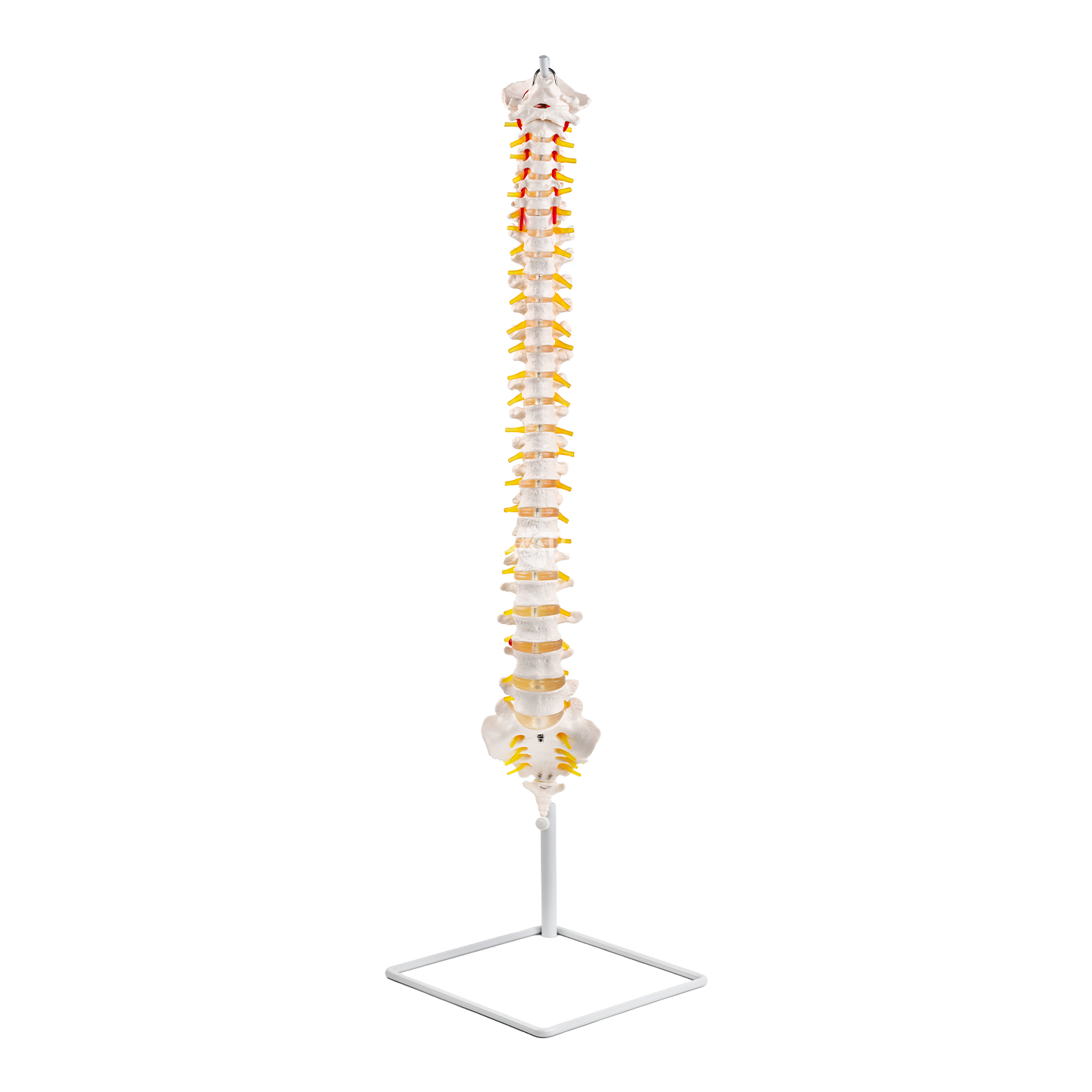
85CM bent spine
You spend thousands of dollars on anthropo-pedagogic chairs, stuck on your back forever in your most uncomfortable position. Ninety-nine per cent of the chairs on the market are bragging about "backside support", but nobody tells you a strange fact: what really causes the back pain is not enough, but the spine is forced to maintain the same curve for more than 20 minutes. The 85CM is a very long chair designed to bend the spinal cord, which completely reverses the "fixed support" logic of the traditional chair back.——But its risk is equally clear: the bending of total freedom means that you may get more and more unwittingly. Is this the ultimate solution to free the spine, or is it another kind of trap?
-
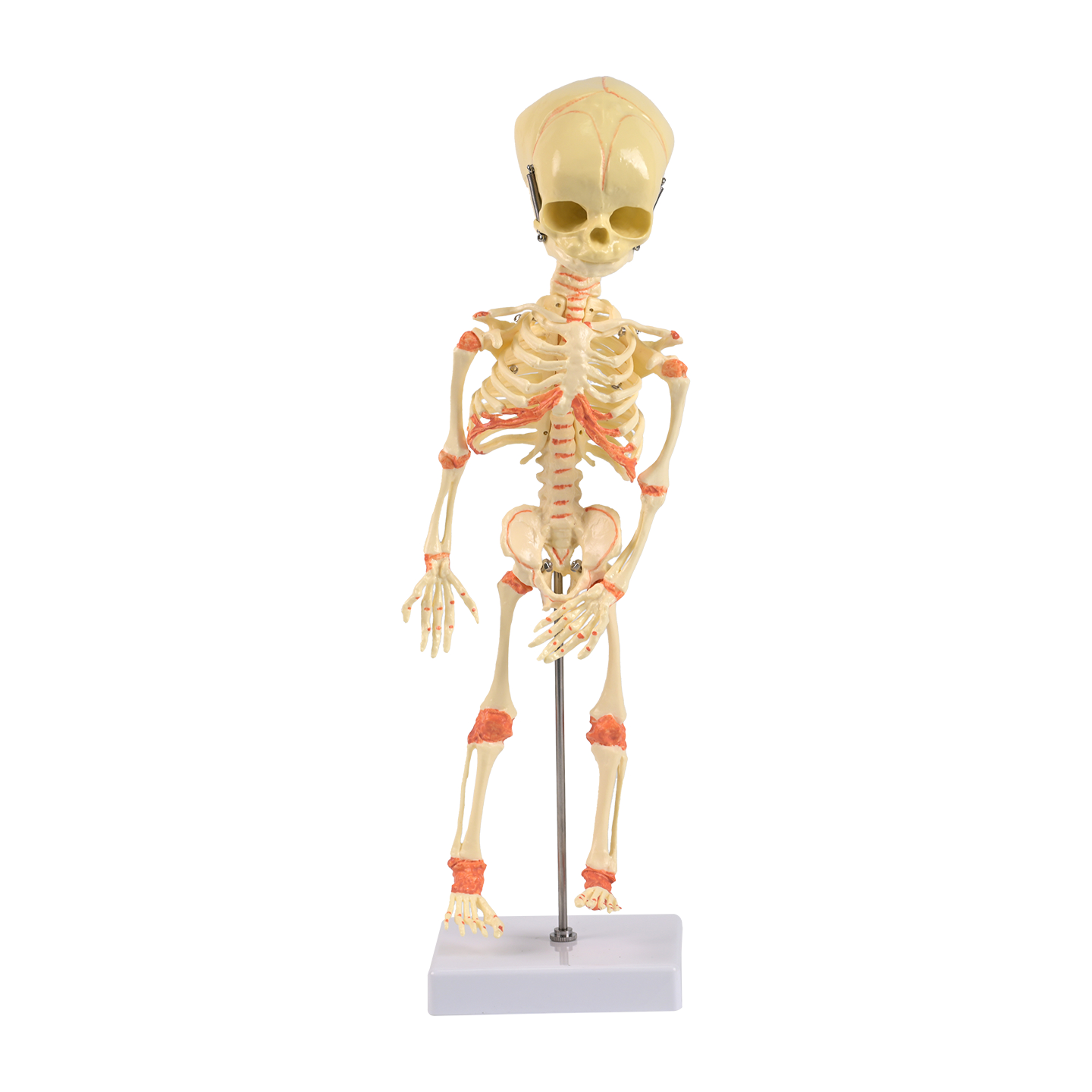
Baby bones.
You may not have noticed that the number of bones in babies is completely different from that of adults.——At birth, there were more than 270, nearly 70 more than the 206 for adults. The bones that look like "excessive" are not burdensome, but are connected to the cartilage that is hidden in the skull and the gill, and they will be cremated and boned in the years to come, and will eventually be shaped into adult skeletons that you know. But in this silent bone remodelling project, there is a risk window that is ignored by the vast majority of parents: Some of the seemingly normal "soft bones" are early signs of abnormal growth. Which are the areas where the skeletal delay requires vigilance and which are normal individual differences?
-
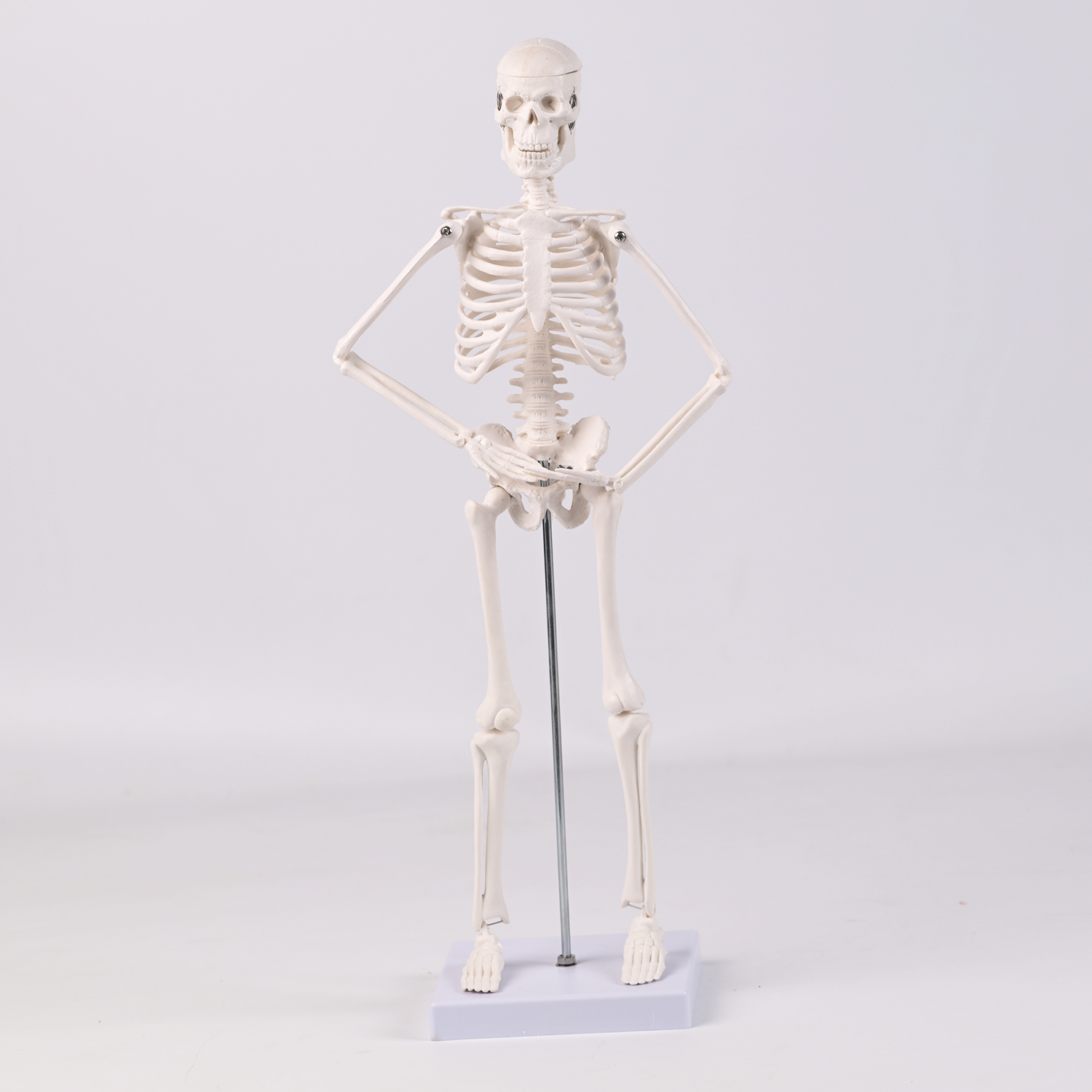
45CM bones (section B)
Do you think it's just a static setup? When the arms and legs can be removed and reorganised at will, the classic white skeleton becomes, in an instant, a "felter" that breaks the body's structural consciousness. Most people see a smaller proportion, but they ignore the joint logic that's hidden in Section B's design.——It gives you a good sense of muscle attachment without touching a real body. But what really doubles the efficiency of anatomy learning is not the size, but the order of disassembly that was ignored by 90 per cent of the population. Are you sure you really understand every joint of it?
-
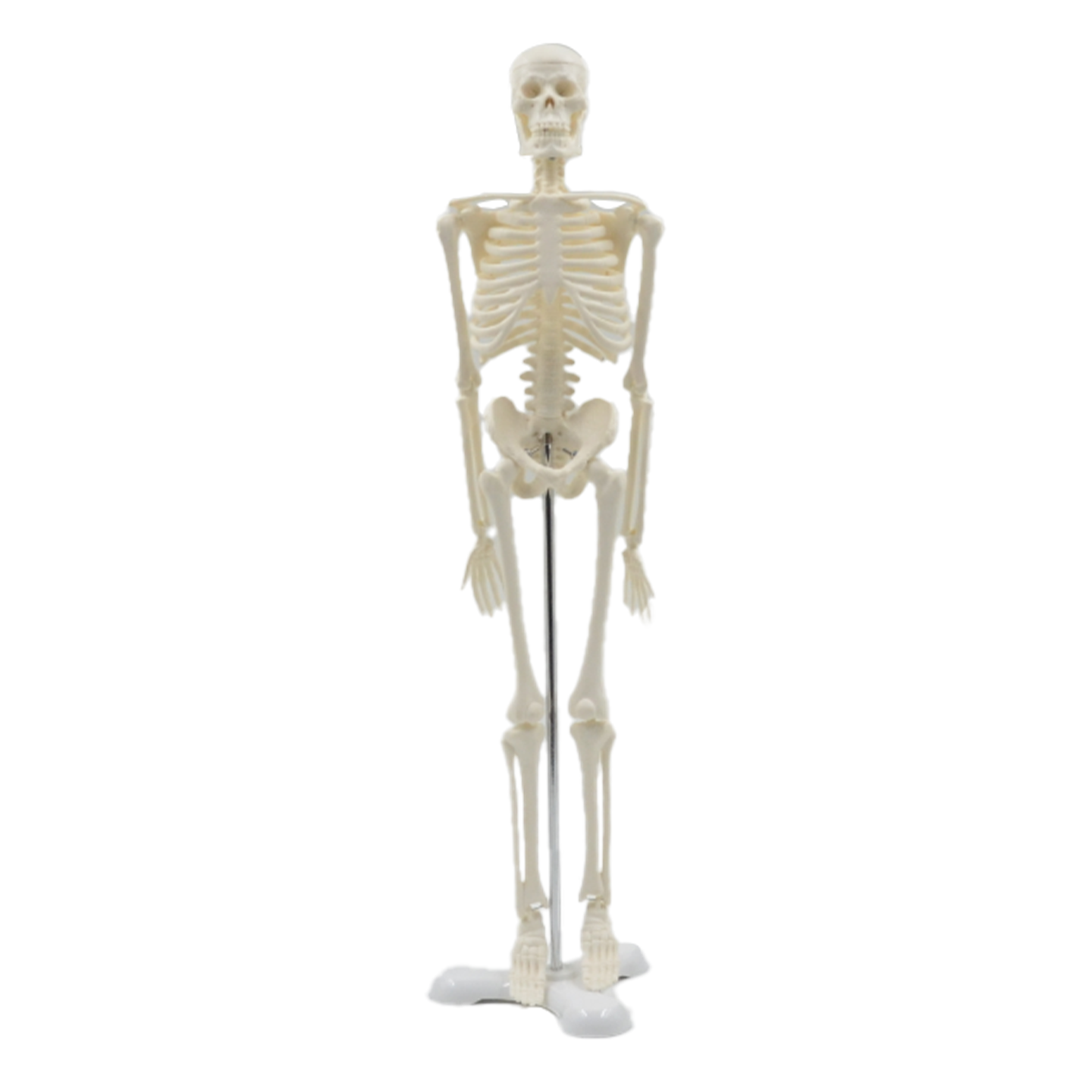
45CM bones (section A)
You search the human bone model online, and the results come out in the same way as "precision" and "medical standards", but it turns out that either the joints are loose like toys, or they're far too far apart from teaching. 45 CM may seem to be the right size, but those who really know how to do it know that a small size model is the best test for the business, because any detail is magnified when the scale is scaled up. It's not a talk. It's just a selection of the core of the small skeletal model.——And why, in practice, certain electricians are not at all suitable for professional use.
-
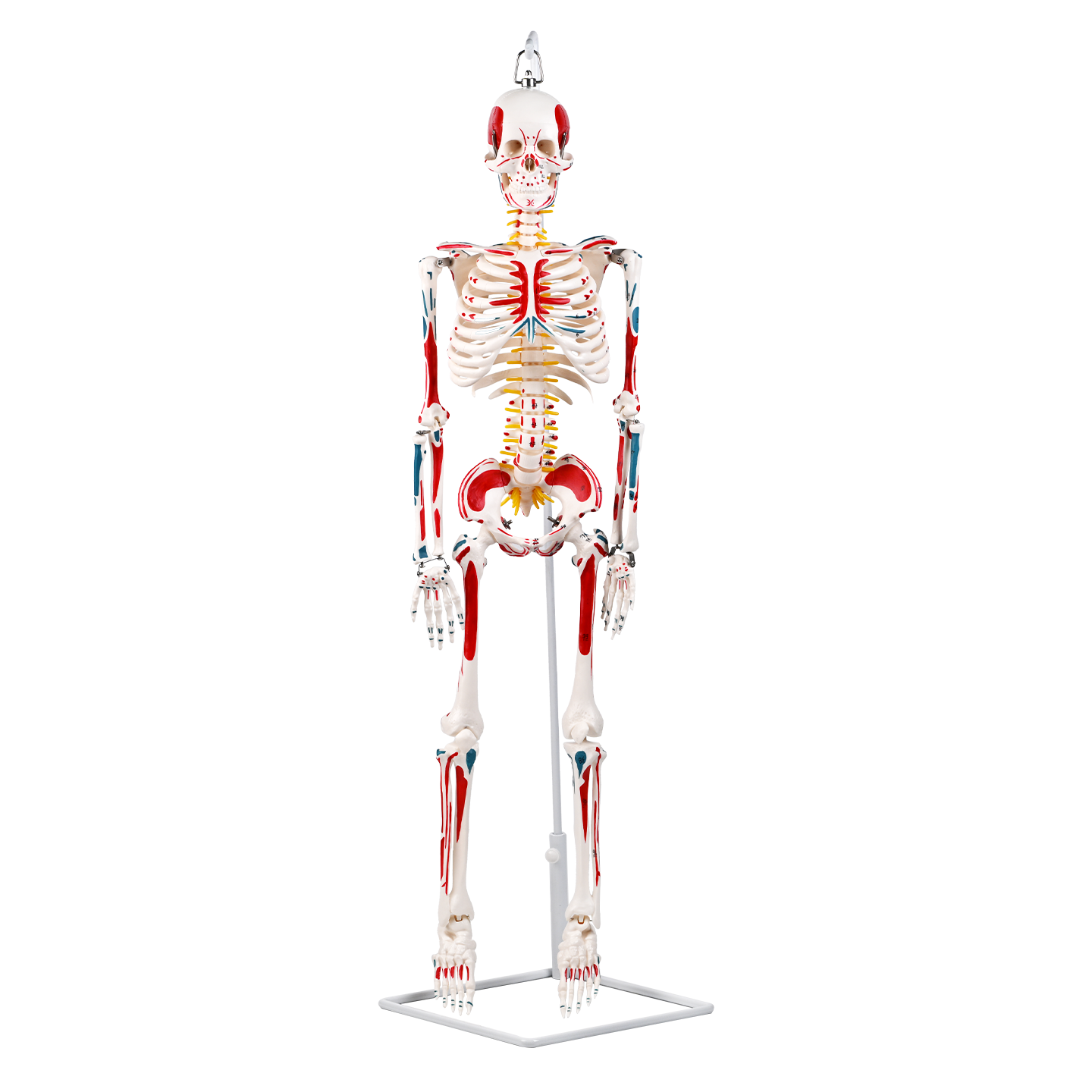
85CM neurovascular bones (half-side color)
In the face of this 85CM neurovascular skeletal model in front of you, do you think it's just an anatomy? The finely written design of that side is actually the easiest "cognitive trap" for medical entrants. Most people stare at the bone structure with hard backs and ignore the colored vascular neuropaths.——And this is exactly the invisible map of life and death in clinical surgery. When you can tell the logic behind this half-colour, you don't have to worry about the boring black and white picture, but if you don't understand the design, the expensive model is just a pile of resin. What kind of anatomical secret is implied by the color of this half?
-
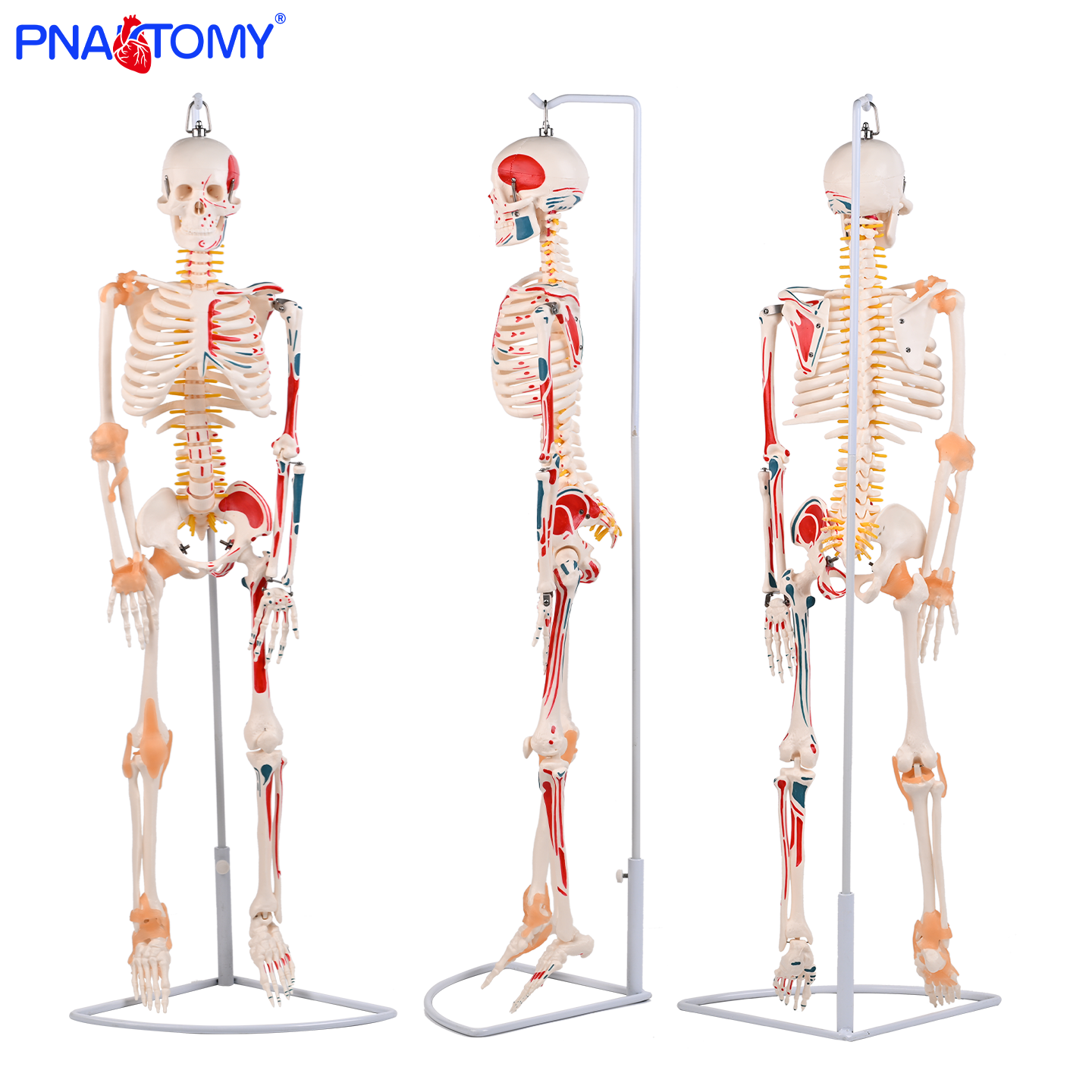
85CM hung semi-bone muscles, half-bone ligament bone.
You stare at the normal bone model on the wall, do you always find it hard to remember the dry muscles as if they were books? This 85CM-mounted model solves the pain in a very violent way.——It just splits the body: half shows muscle stop points, half bare bones and ligaments. Such a strong visual comparison is an instantaneous blow to the space logic that the plane map cannot convey. When you're still working on the hard copy book, those who know how to do it are already using this wallchart to get to know the toughest stereoidization. Is it a medical student's walker or is it just a scary decoration? After this set of details, you have your own answers.